

Dome vs. Bullet Security Cameras - How to Choose
Posted by Gregory DeRouanna on Aug 10, 2024
Dome vs. Bullet Security Cameras: Which One Is Right for Your Needs?
When choosing security cameras for a home, business, or government facility, one of the most common questions is whether a dome camera or a bullet camera is the better fit. At CCTV Security Pros, we sell a lot of both camera types because each serves a different purpose depending on where the camera is installed, how visible you want it to be, and what kind of coverage you need.
Both dome and bullet security cameras offer important advantages. This guide explains the differences, pros and cons, and ideal use cases so you can choose the right camera for your property.
Understanding Dome Cameras
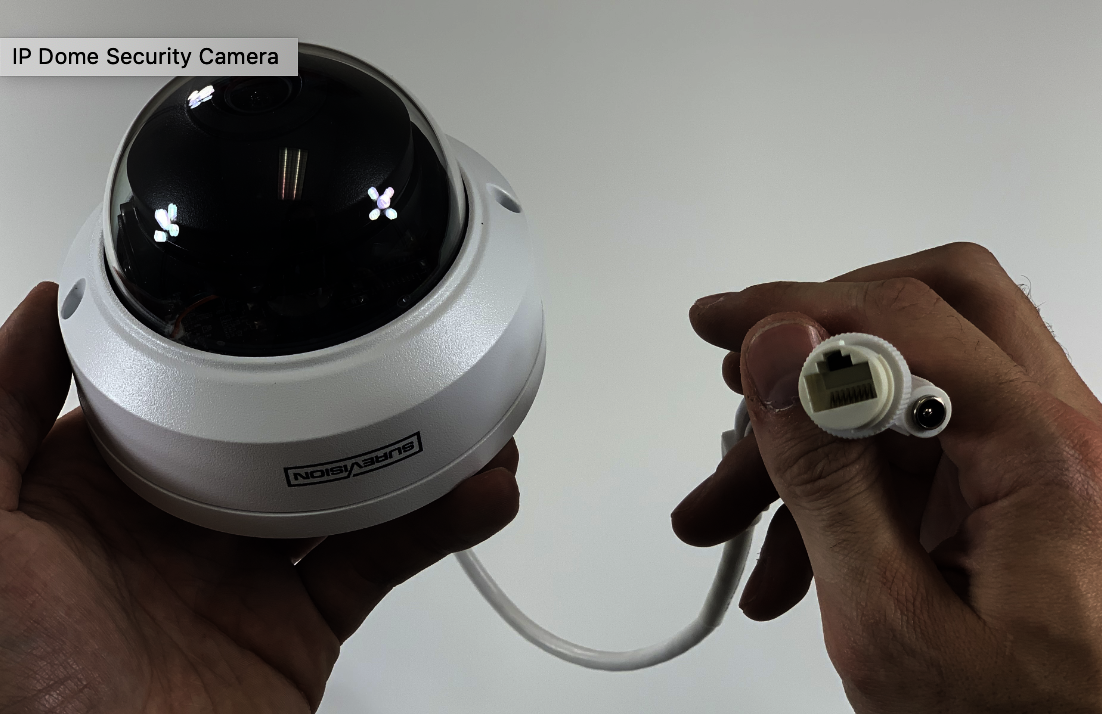
What Are Dome Cameras?
Dome cameras are named for their dome-shaped housing. These cameras are commonly mounted on ceilings or walls and are designed to blend into their surroundings while still delivering professional surveillance coverage. The camera is enclosed inside a protective dome that may be clear or tinted.
Advantages of Dome Cameras
- Discreet appearance: Dome cameras are generally less noticeable than bullet cameras, making them a strong choice for interior spaces or locations where a lower-profile appearance is preferred.
- Wide coverage options: Some dome styles, including PTZ dome cameras, can rotate and provide broad area coverage.
- Vandal resistance: The dome enclosure adds protection against tampering or casual vandalism.
- Flexible mounting: Dome cameras work well on ceilings, soffits, and wall placements for both indoor and outdoor use.
Disadvantages of Dome Cameras
- More limited long-distance performance in some cases: Due to their compact design, some dome cameras may not match the long-range visibility of larger bullet cameras.
- Potential glare: The dome cover can occasionally cause glare or reflections in certain lighting conditions.
- More maintenance outdoors: Cleaning the dome surface can be slightly more involved, especially where dust, pollen, or debris build up.
Understanding Bullet Cameras
What Are Bullet Cameras?
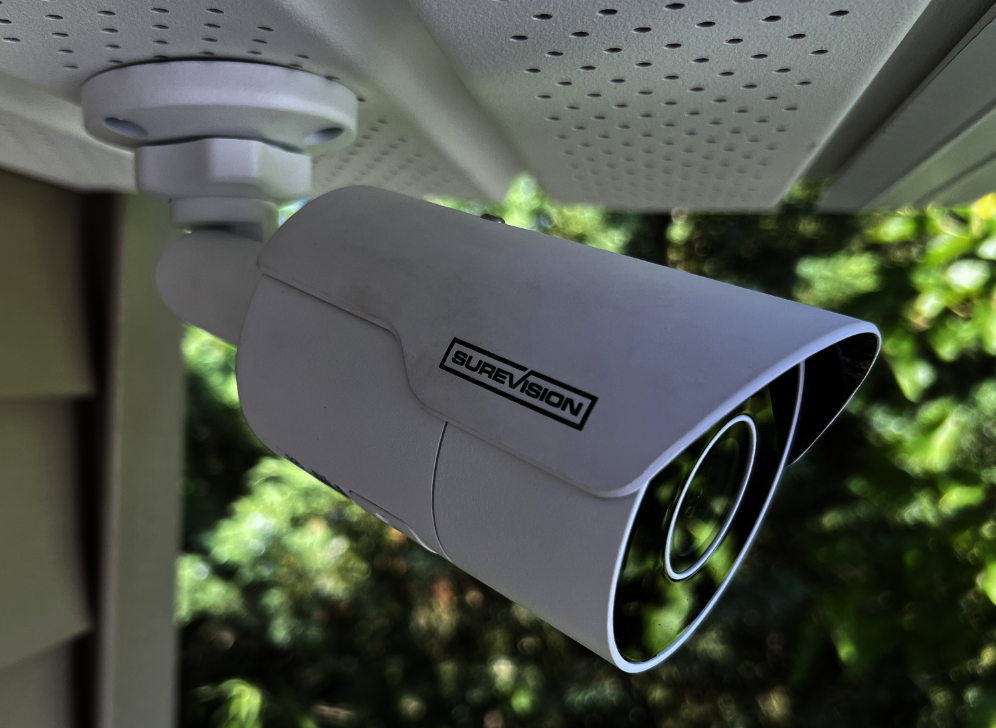
Bullet cameras are named for their cylindrical shape. These cameras are typically mounted on walls, exteriors, or other fixed surfaces and are widely used for long-range viewing, perimeter coverage, and visible deterrence.
Advantages of Bullet Cameras
- Long-range visibility: Bullet cameras excel at capturing clear images over longer distances, making them ideal for parking lots, building perimeters, and large outdoor spaces.
- Simple installation and aiming: Their straightforward design makes them easier to install and adjust.
- Strong night vision options: Many bullet cameras include powerful built-in infrared illuminators.
- Weather-resistant design: Bullet cameras are often built for outdoor use and harsh conditions.
Disadvantages of Bullet Cameras
- More visible: Their prominent shape makes them easier to see, which can be a deterrent but may be less subtle aesthetically.
- Fixed coverage in many models: Bullet cameras typically have a fixed field of view unless you choose a varifocal or specialty model.
- More exposed to tampering: Their outward-facing design can make them easier to bump or reposition if mounted too low.
Comparing Dome and Bullet Cameras
Image Quality
Both dome and bullet cameras can deliver excellent image quality. In most cases, the real difference is not the shape of the camera but the lens, sensor, resolution, and intended use. Bullet cameras often have an advantage in longer-range outdoor applications, while dome cameras are excellent for wide indoor and entry coverage.
Night Vision Capabilities
Both camera types can provide strong night vision performance, but bullet cameras often have the edge for longer distances because their design can accommodate larger infrared arrays.
Weather Resistance
Both our dome and bullet cameras are designed for outdoor use when properly rated for the environment.
Aesthetic Considerations
Dome cameras are usually considered more subtle and architectural. Bullet cameras are more visible and are often chosen partly because they create a stronger visual deterrent.
Installation and Maintenance
Bullet cameras are typically easier to install and aim because of their open, adjustable shape. Dome cameras can require a little more care during installation, and outdoor dome housings may need more routine cleaning to maintain a clear image.
Choosing the Right Camera for Your Needs
Considerations for Businesses
For businesses, the best choice usually depends on the area being covered and the level of detail required:
- Retail stores: Dome cameras are often preferred for shopping floors, ceilings, checkout counters, and interior spaces where broad coverage and a cleaner appearance matter.
- Warehouses: Bullet cameras are often better for long aisles, loading docks, parking lots, and perimeter coverage where distance matters.
- Office buildings: A mix of dome and bullet cameras often works best, with dome cameras indoors and bullet cameras outdoors.
Considerations for Government Institutions
Government facilities often need a mix of visible deterrence and broad interior monitoring:
- Public spaces: Dome cameras are effective in lobbies, hallways, and common indoor areas where a more discreet look is preferred.
- Perimeter security: Bullet cameras are ideal for fence lines, parking lots, yards, and entry points requiring long-range visibility.
- Critical infrastructure: A combination of both styles is often the best approach for complete coverage.
Considerations for Homeowners
For residential properties, the right choice often depends on layout, aesthetics, and visibility preferences:
- Indoor monitoring: Dome cameras are often preferred indoors because they blend in more easily.
- Outdoor surveillance: Bullet cameras are excellent for driveways, side yards, backyards, and front approaches where long-range visibility is helpful.
- Visible deterrence: Homeowners wanting cameras to be clearly seen often choose bullet cameras.
Which Is Better: Dome or Bullet?
There is no one-size-fits-all answer. Dome cameras are often better for ceilings, interior spaces, discreet coverage, and vandal resistance. Bullet cameras are often better for outdoor walls, longer distances, visible deterrence, and perimeter coverage.
In many professional systems, the best solution is a combination of both. Dome cameras handle interior ceilings, entries, and wide coverage areas, while bullet cameras secure parking lots, exteriors, driveways, docks, and long-range views.
If you want to compare your options, browse our dome security cameras, bullet security cameras, and complete security camera systems.
Conclusion
Choosing between dome and bullet security cameras comes down to where the camera will be installed, how much coverage you need, and whether a lower-profile look or stronger visible deterrence is more important. Both camera types can be excellent when properly matched to the environment.
For many businesses, government facilities, and homes, a mixed system provides the strongest overall result. Dome cameras cover interiors and common areas well, while bullet cameras handle exteriors, long sightlines, and perimeter surveillance.
The most effective surveillance system is one that is planned correctly, installed properly, and matched to your specific goals. Whether you choose dome cameras, bullet cameras, or a combination of both, investing in professional-grade equipment is a key step toward better protection and peace of mind.
Explore more expert advice in our Security Camera Learning Center. You can also browse professional security cameras and complete security camera systems to compare the right fit for your property.
