Talk to the Experts on NDAA-Compliant Security Cameras

All CCTV Security Pros cameras are supported by a 100% money-back guarantee, a three-year warranty, and free USA-based support.
Security camera recorders are the foundation of a professional surveillance system. Choose from DVRs for coax CCTV cameras or SureVision NVRs for modern IP camera systems — all with local recording, no monthly fees, and lifetime U.S. support.
Security camera recorders manage, store, and protect your video footage. At CCTV Security Pros, we offer both Digital Video Recorders (DVRs) for analog CCTV cameras and Network Video Recorders (NVRs) designed for professional IP security cameras.
Our recorders are trusted by homeowners, businesses, and government facilities nationwide for reliable 24/7 recording, secure local storage, and scalable system design — without cloud subscriptions or recurring fees.
DVRs work with analog or HD-over-coax CCTV cameras. They are ideal for upgrading existing coax wiring while still delivering up to 4K Ultra HD recording.
NVRs are designed for IP security cameras using Ethernet (PoE). They offer simpler installation, higher resolutions, advanced AI tools, and are the preferred choice for new professional security camera systems.
Select a SureVision network video recorder based on how many IP cameras you plan to connect today. All systems support expandable storage.
All CCTV Security Pros cameras are supported by a 100% money-back guarantee, a three-year warranty, and free USA-based support.
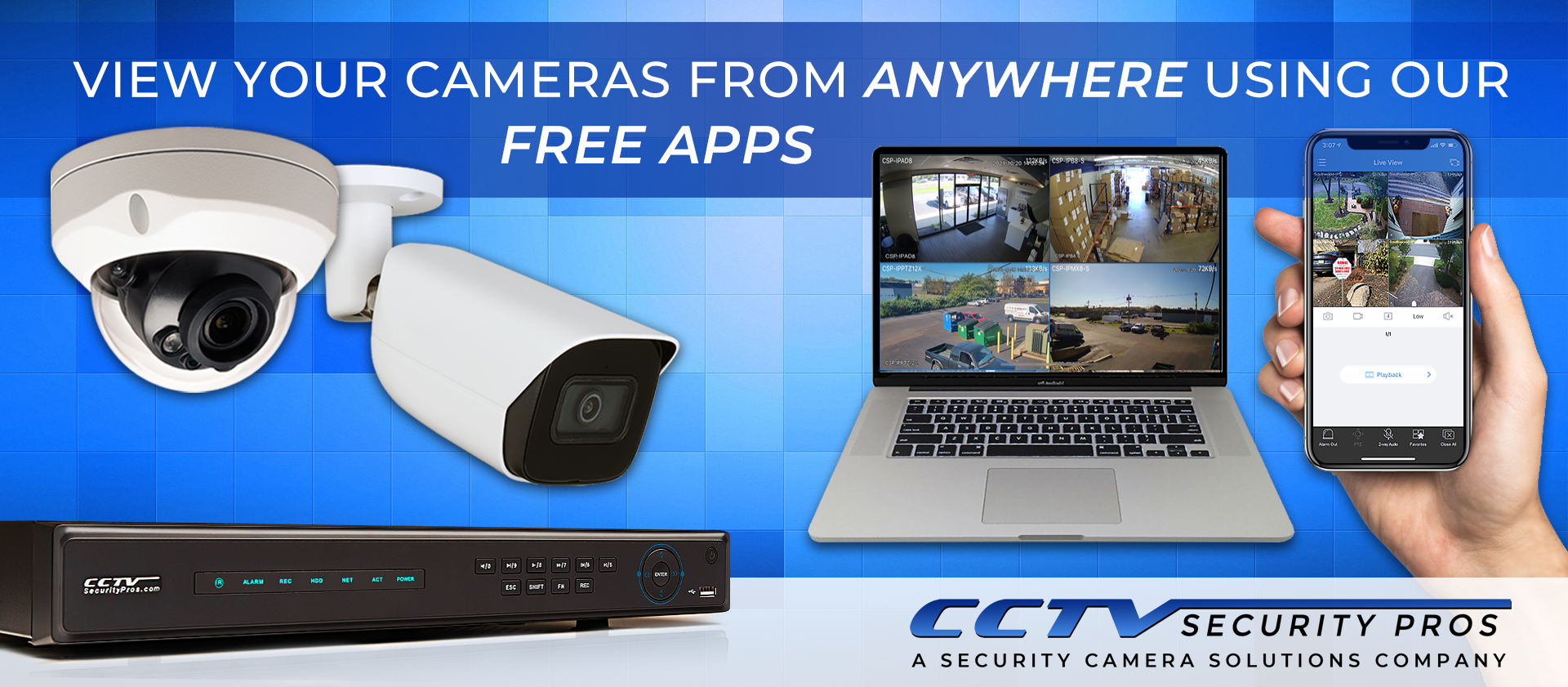
A Digital Video Recorder (DVR) is an advanced security camera recording device that converts analog video signals into digital format, allowing for efficient storage and convenient viewing. Commonly used before the advent of Network Video Recorders (NVRs), DVRs played a significant role in the field of surveillance.
Unlike DVRs, Network Video Recorders (NVRs) serve as highly reliable security camera recorders that directly store and manage video recordings on a network. NVRs eliminate the need for analog-to-digital conversion, ensuring seamless operation and enhanced efficiency.
Analog vs. Digital HD Technology
DVRs heavily rely on analog technology to process and archive their video recordings. Analog cameras are directly connected to the DVR, which then performs the necessary analog-to-digital conversion, allowing for effective storage. We now offer analog digital cameras which will enable you to achieve 4K video using coax cables.
On the other hand, NVRs are specially designed to work harmoniously with digital IP cameras. These advanced cameras capture footage in digital format, which is then directly transmitted and stored onto the NVR, eliminating the need for conversion.
Channels and Camera Compatibility
DVRs typically feature a range of 4 to 32 channels for camera connectivity. The number of channels determines the maximum capacity of cameras that can be linked with the DVR. It is crucial to consider the number of channels required when planning your security system. We offer DVR recorders of up to 32 channels.
In contrast, NVRs offer a greater number of channels, with select models supporting up to 128 channels. This greater capacity makes NVRs ideal for larger-scale surveillance setups.
Network Connectivity and Video Quality
Both DVRs and NVRs provide remote viewing capabilities through internet connectivity. This enables users to access live camera feeds from anywhere using various devices such as computers, smartphones, or tablets. However, when it comes to video quality, NVRs excel, particularly when paired with high-resolution IP cameras, ensuring exceptional clarity and detail in recordings.
Understanding the Difference
Understanding the distinction between DVR and NVR security camera recorders is vital when choosing the most suitable system to meet your surveillance needs. DVRs primarily employ analog technology, however upgrading to HD digital over coax cable is possible. Our DVRs are cost-effective and reliable, perfectly suitable for applications with up to 32 channels. In contrast, NVRs are specifically designed for digital IP cameras, offering expansive channel capacities (up to 128) and greater scalability. Although NVR systems may come with a slightly higher price tag, they provide advanced features and enhanced flexibility.
By considering these key differences, you can make an informed decision that aligns your security camera recording setup with your unique requirements. Invest in the right system—whether it be DVR or NVR—to ensure optimal performance and effectiveness.
These complete security systems include the recorder, cables, connections, and the number of cameras you need to effectively cover your property. Choose by the type of system and number of cameras needed.



Connect with a specialist at CCTV Security Pros to customize the best security camera system for your needs. Order online or call a Pro at (888) 653-2288.
Russell Aguilar


Angela Smith
Thomas Tanner
Rob McCormick
Tom Hampton
Michael Fredrick
Linda Arbuckle
Ian Hogg
Albert Mastrando